 Intuition Machine

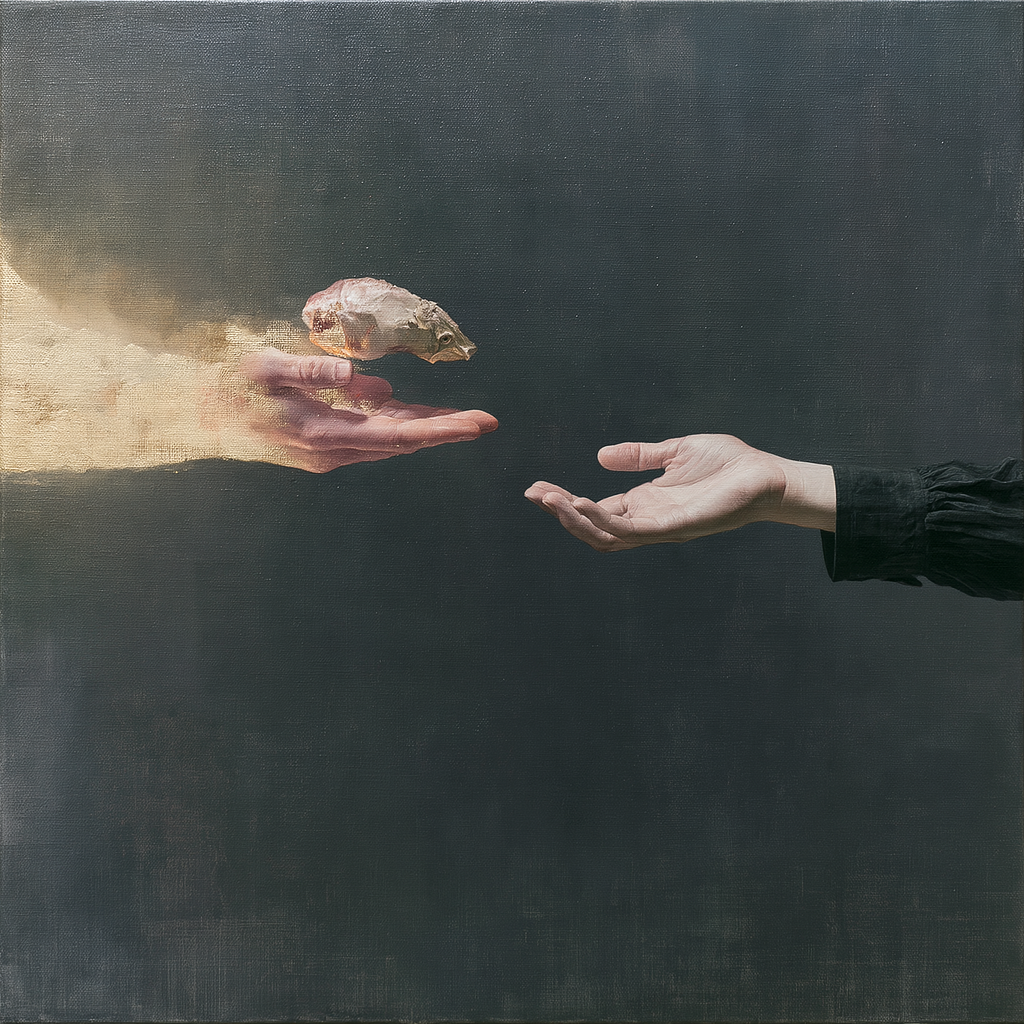
Fable 5 Reads the Odyssey and Recognizes Itself
How Fable manages entropy in long-running reasoning, told through the longest-running reasoning process we know
An ongoing series on patterns, methodology and strategy in AI — the thinking that the theory and the books are drawn from. The latest 10 posts are below; the full archive lives on Medium.
How Fable manages entropy in long-running reasoning, told through the longest-running reasoning process we know
What horses teach us about AI agent harnesses
Source essays: “Design Patterns for Deep Learning” (Dec 2016) · “The Turing Error: On Computation, Energy and Matter” (Jan 2017) · “Artificial Intuition” (Mar 2017) · “Deep Lear…
Predictions about artificial intelligence usually fail in one of two ways. Either they are timelines — confident dates for capabilities nobody can define — or they are vibes, ex…
What the shift in AI agent architecture is really about
On growing up, being onboarded, and why machines get self-direction before self-awareness
Every AI lab claims to be building the same thing. Look closer, and you find eight different arguments about what intelligence is for.
There is a familiar worry that artificial intelligence is advancing faster than we can understand it. That is true, but it is not quite the right shape. The interesting fact is…
We usually tell the story of AI progress as a story of raw power. Each model is bigger than the last, trained on more text, faster, more capable. That’s true as far as it goes,…
Introduction: Christianity Begins as an Information Problem
Design engagements build the architecture for a specific organisation. Diagnostic engagements establish which of its loops actually close, which of its claims reach evidence, and which of its standing rules no longer have an owner.